Why your gray walls look blue (or purple)
Undertones explained like a friend would, plus the 30-second test that catches them.
 Whole House Palette · November 2026
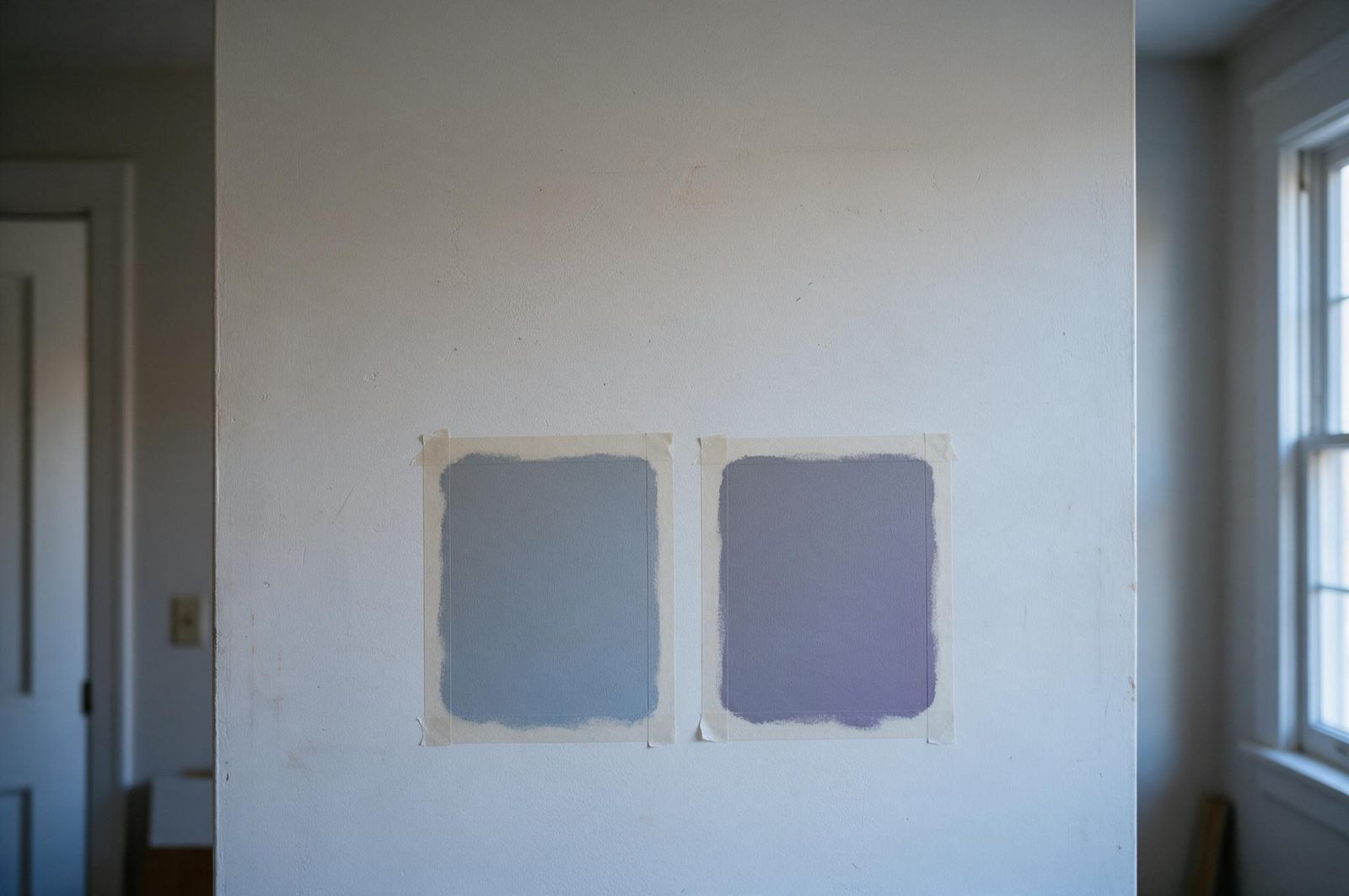
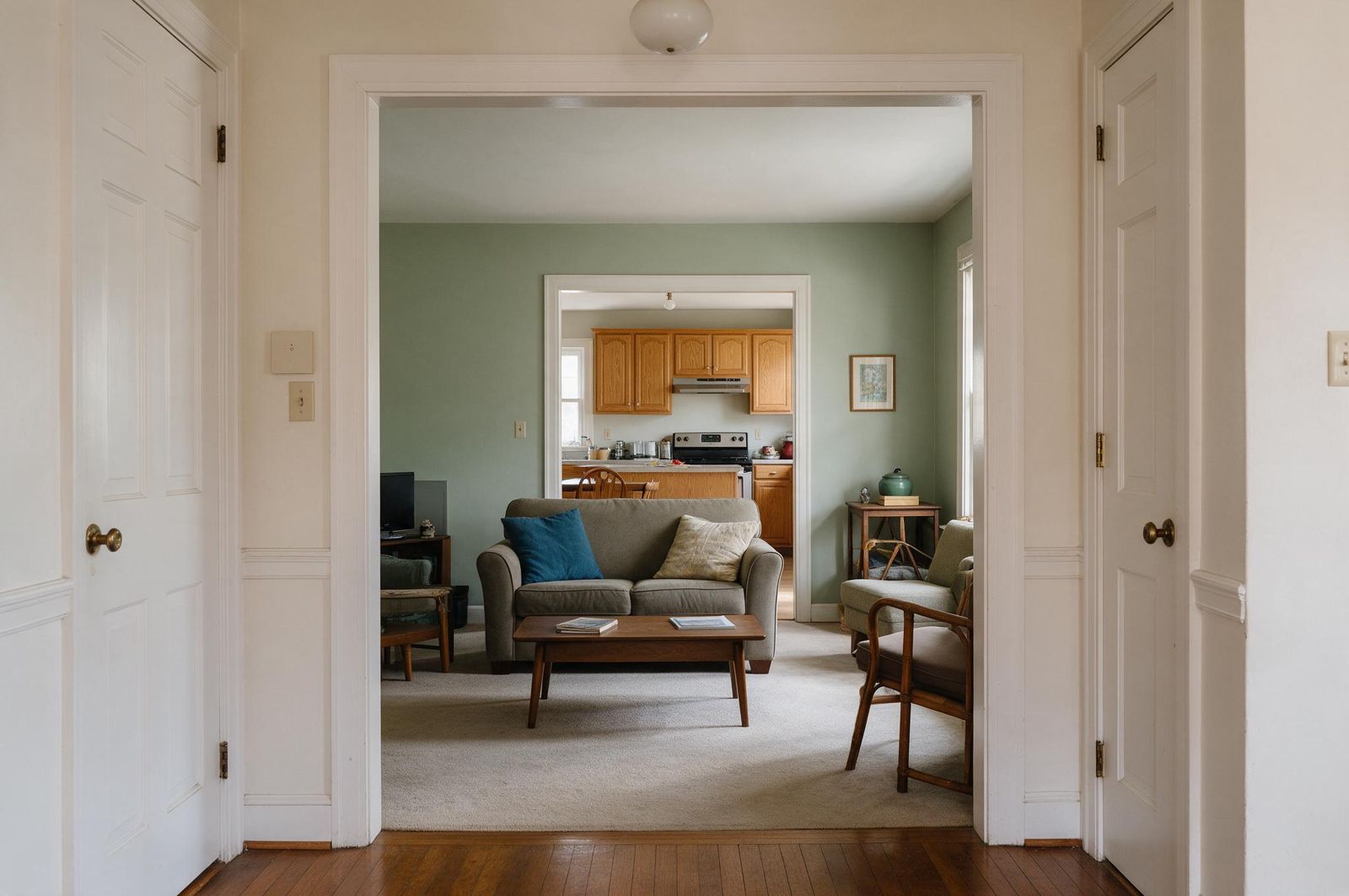
You picked a nice, neutral grey. On the chip it looked like the most well-behaved color in the store. Then it went on the wall and turned baby blue. Or worse, light lavender. You are not imagining it, and it is not the paint's fault. It is the undertone.
What an undertone is
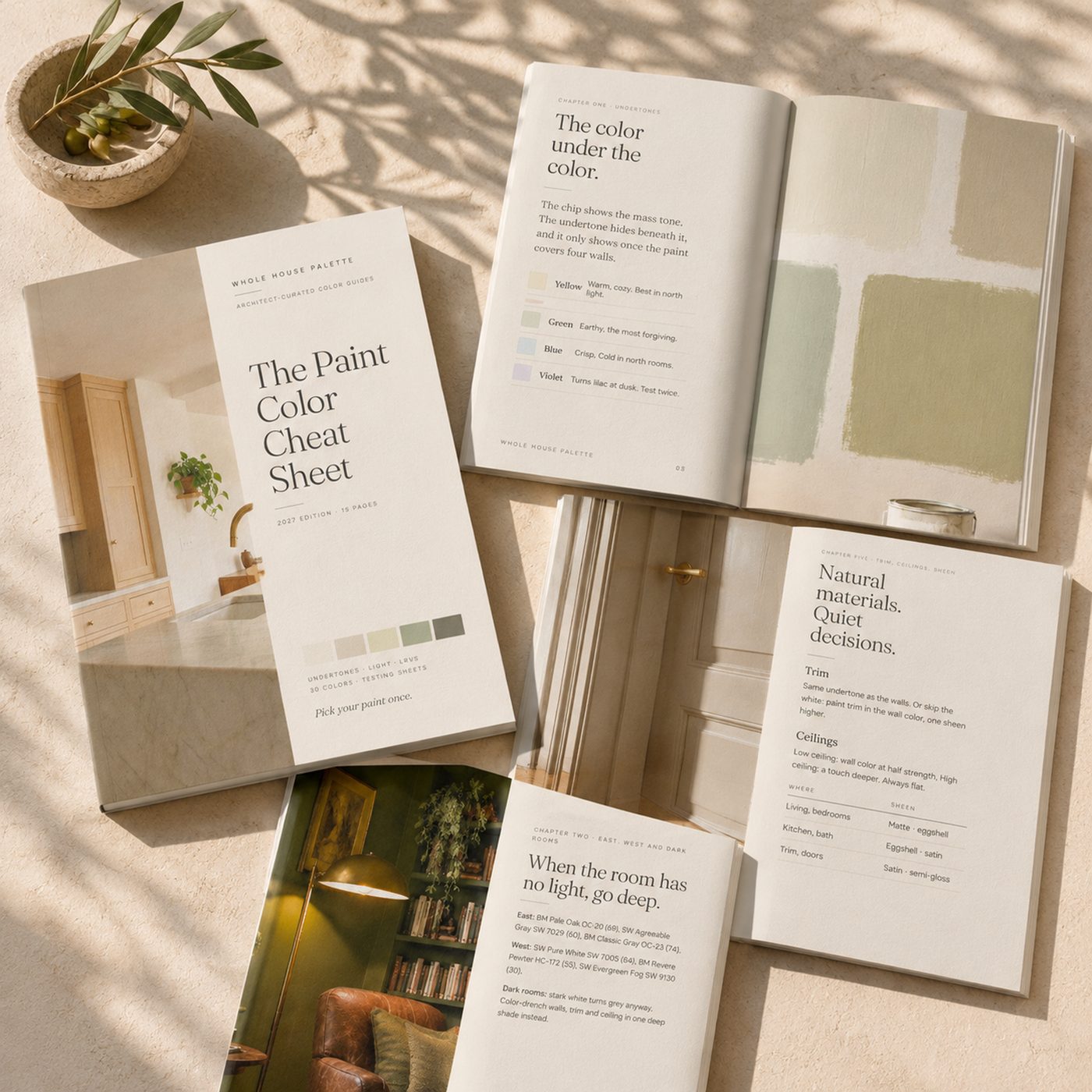
Almost no grey is just grey. Every grey is mixed from other colors, and one of them usually wins: blue, green, violet or a warm beige. On a tiny chip under bright store lights you cannot see it. On four walls, with light bouncing between them, it shows up.
Why it gets worse at home
- North light is cool and slightly blue. It boosts blue and violet undertones.
- Daylight bulbs (5000K) do the same thing at night.
- The walls reflect each other. A faint lean on one wall becomes a clear lean in a whole room.
- What is next to it changes it. Grey next to warm oak floors looks cooler than it is.
The 30-second test
- Take a sheet of plain white printer paper.
- Put the paint chip on it, in daylight, away from direct sun.
- Ask: next to pure white, does it lean blue, green, violet or beige?
- Do the same with two greys side by side. The difference jumps out.
I do this with every client. It takes thirty seconds and has saved more weekends than any other trick I know.
Greys that stay grey
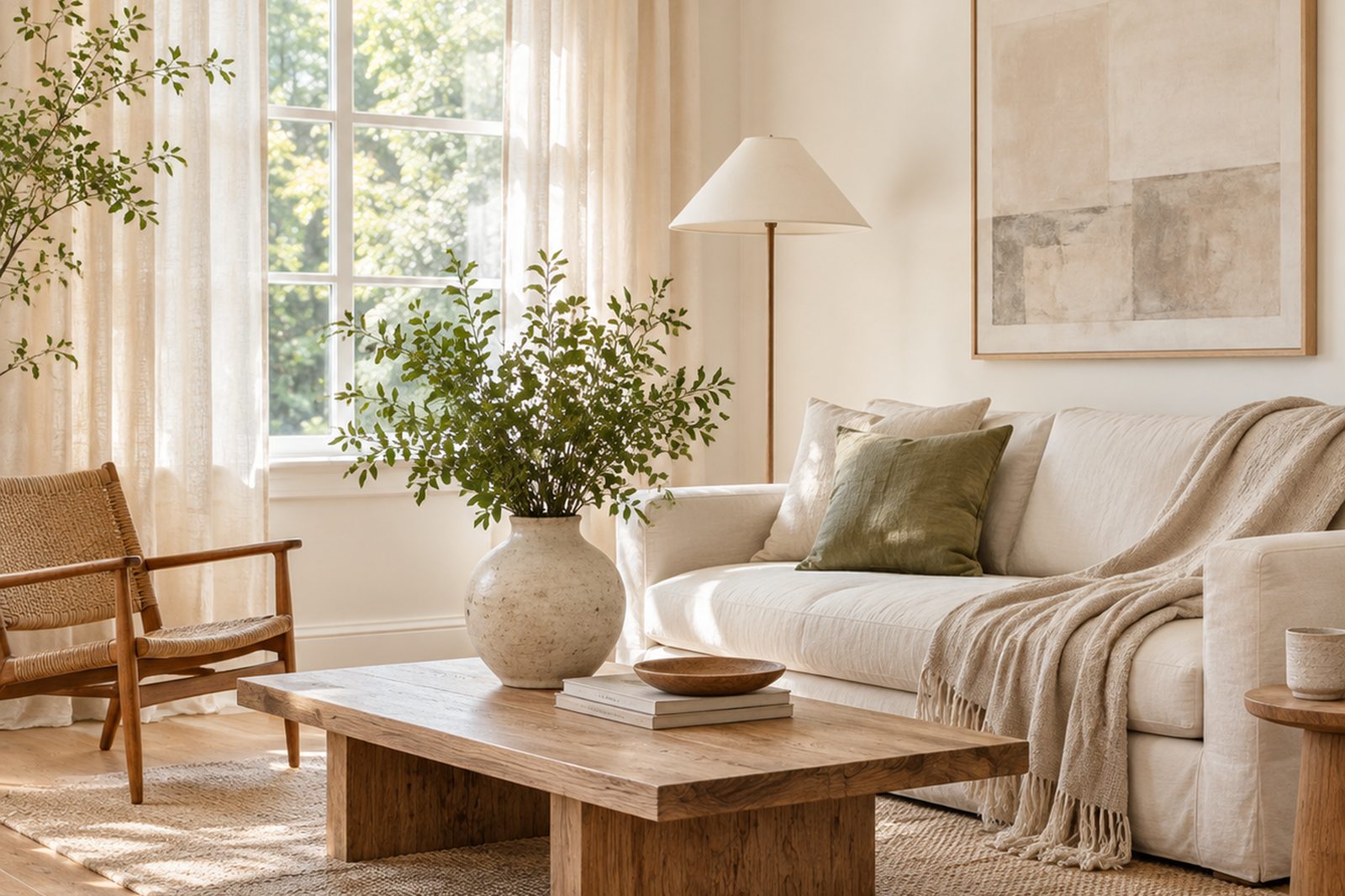
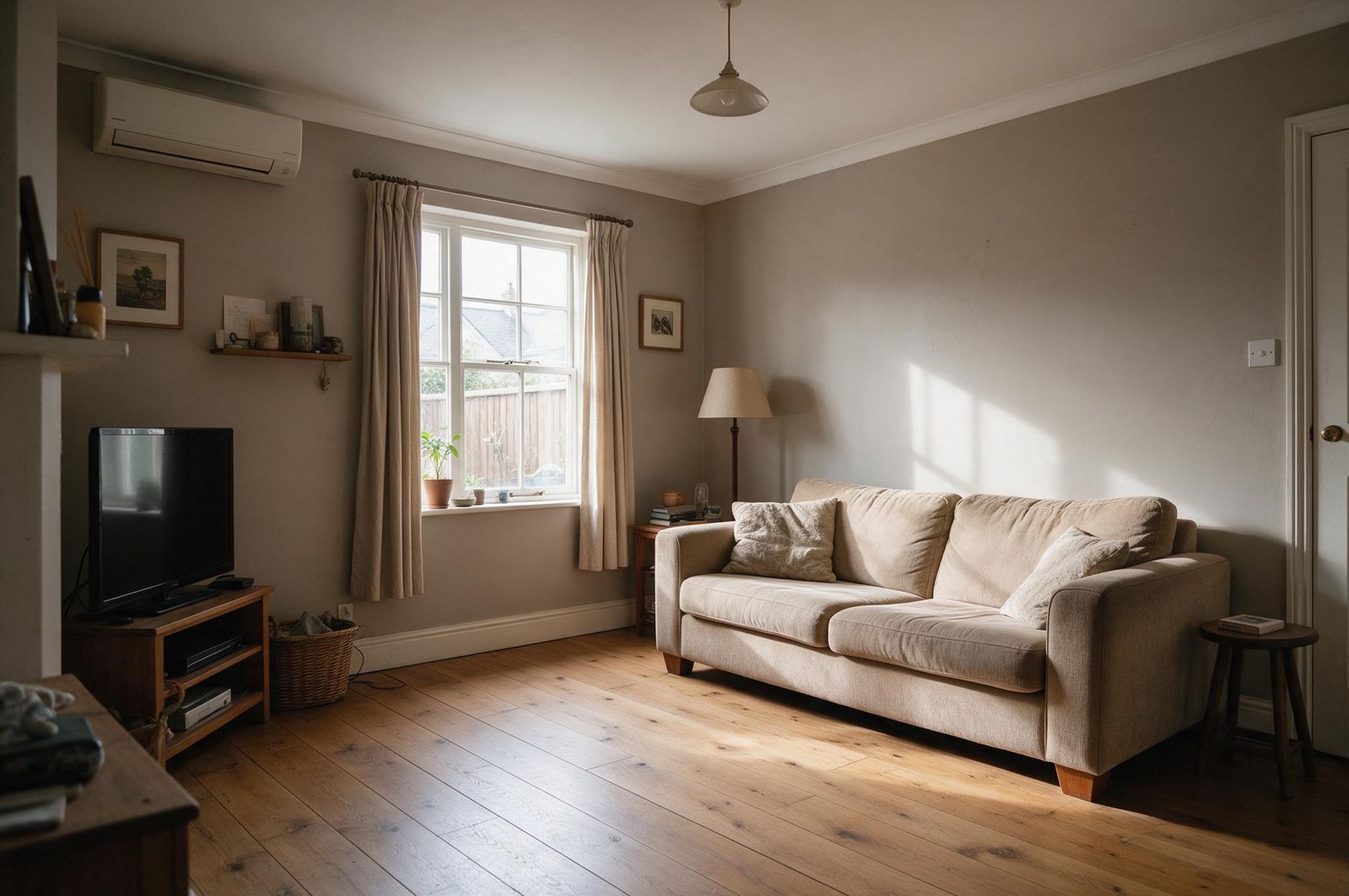
If you want grey that behaves, look for a green-beige undertone. Those are the "greiges," and they are the most forgiving neutrals there are.
Greys to test twice
These are not bad colors. They just need the right room. In a sunny south-facing space, the warm light cancels the cool lean and they look beautiful.
Codes and LRVs come from the brands' own listings. Screens shift color, so always test a real sample.